Tropicarium Nature Explorers
Live nature-study lessons for primary school pupils
- Grades 2–8
- 15–30 people
- 1 / 5 / 10 sessions
From HUF 3,720 per person, per session · admission includedwhen choosing the 10-session package
When classroom knowledge becomes an experience
How can an encounter with the living world complement the school curriculum? In the sessions, pupils can deepen what they have learned through their own observations and experiences.
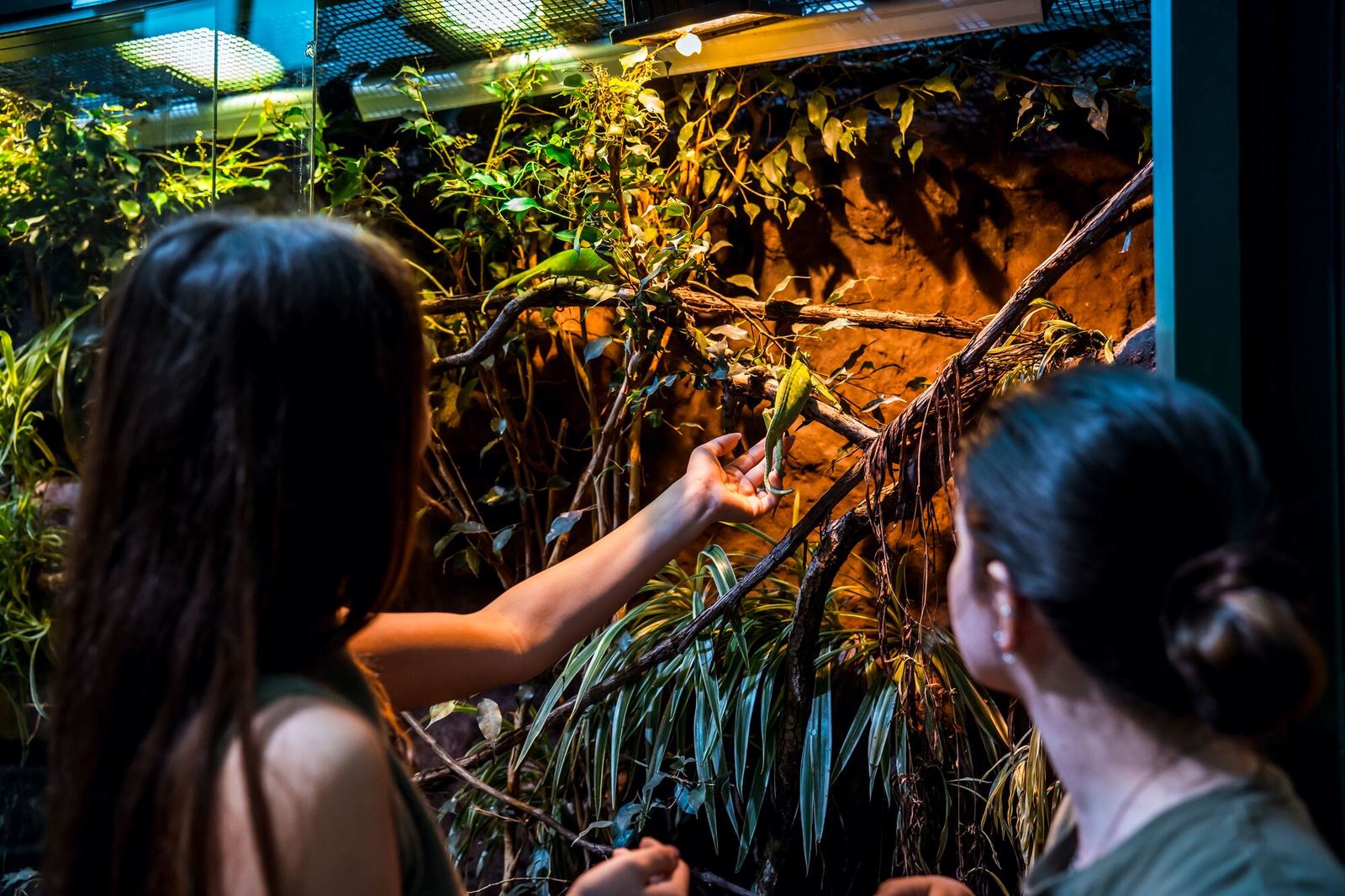
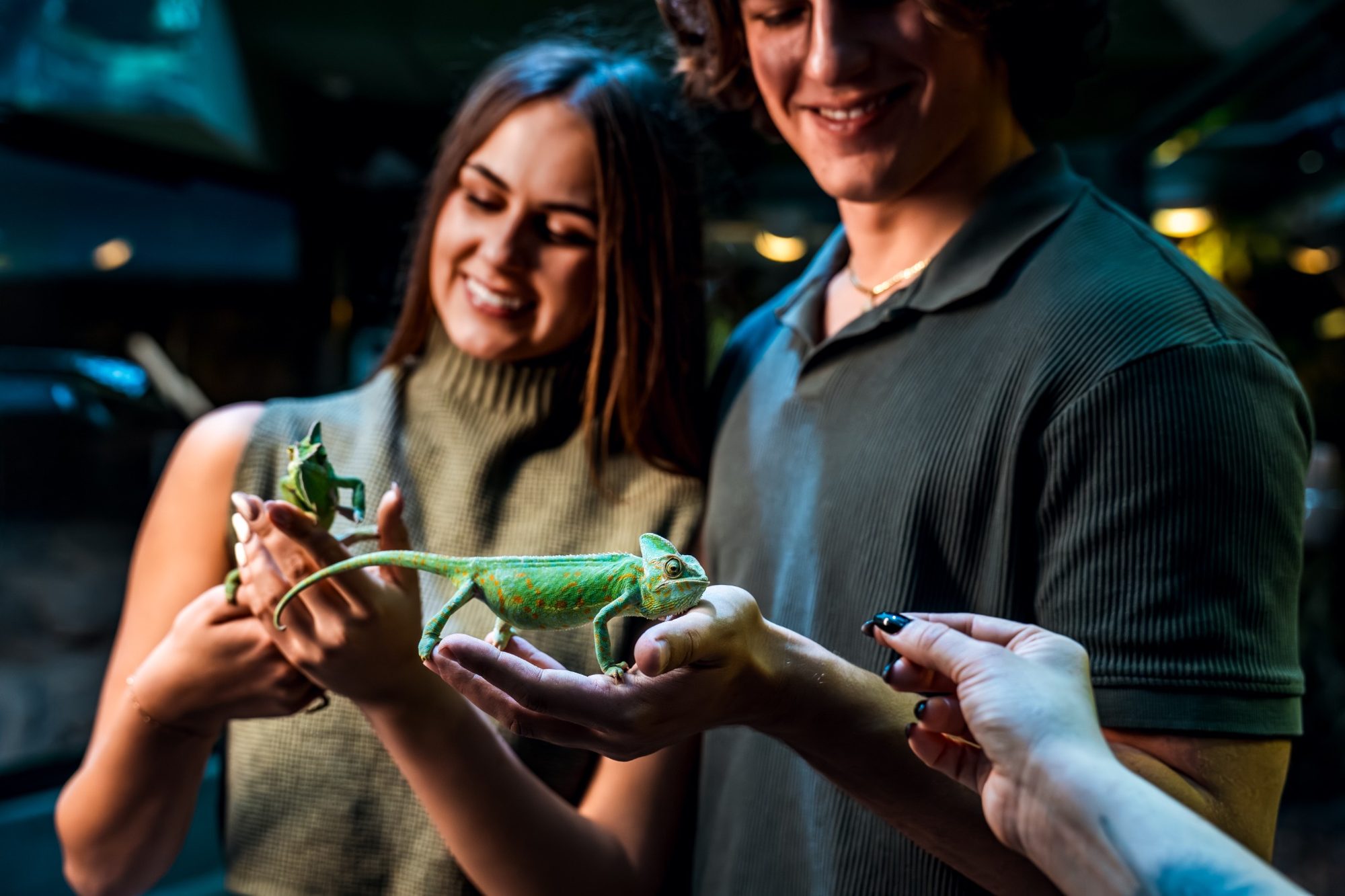
- 01Live animals at every sessionObserving live animals and meeting them is part of every session.
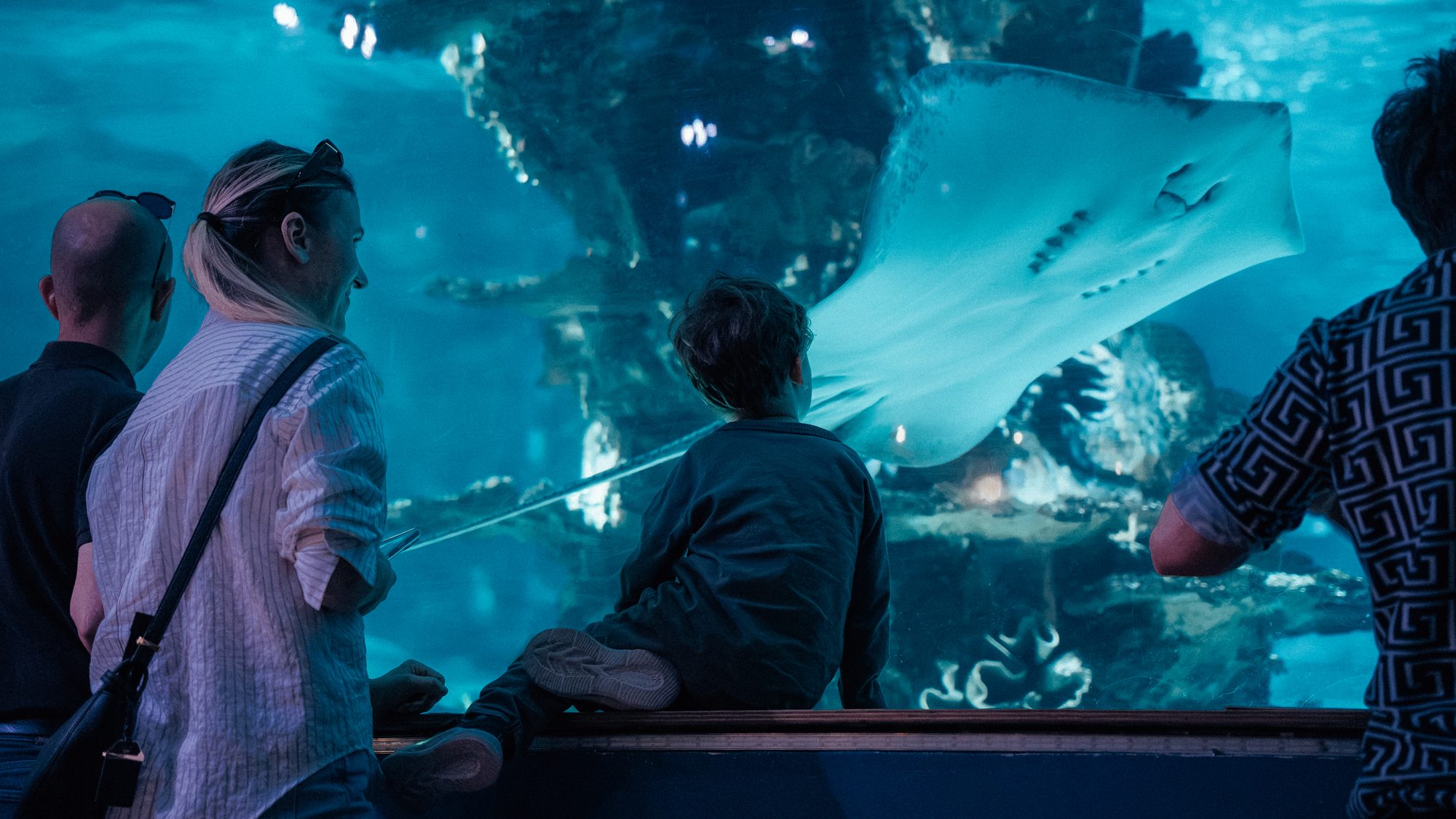
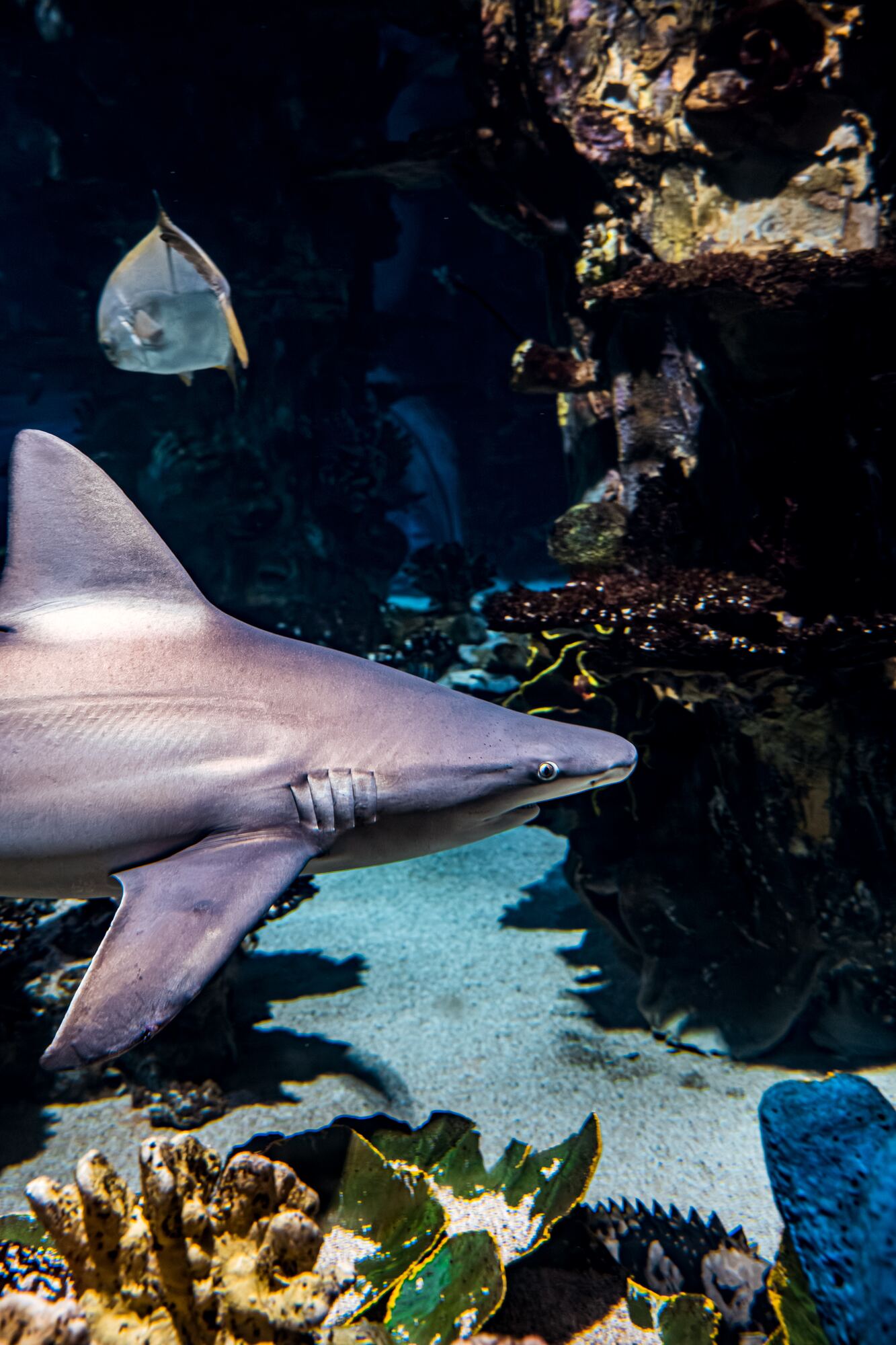
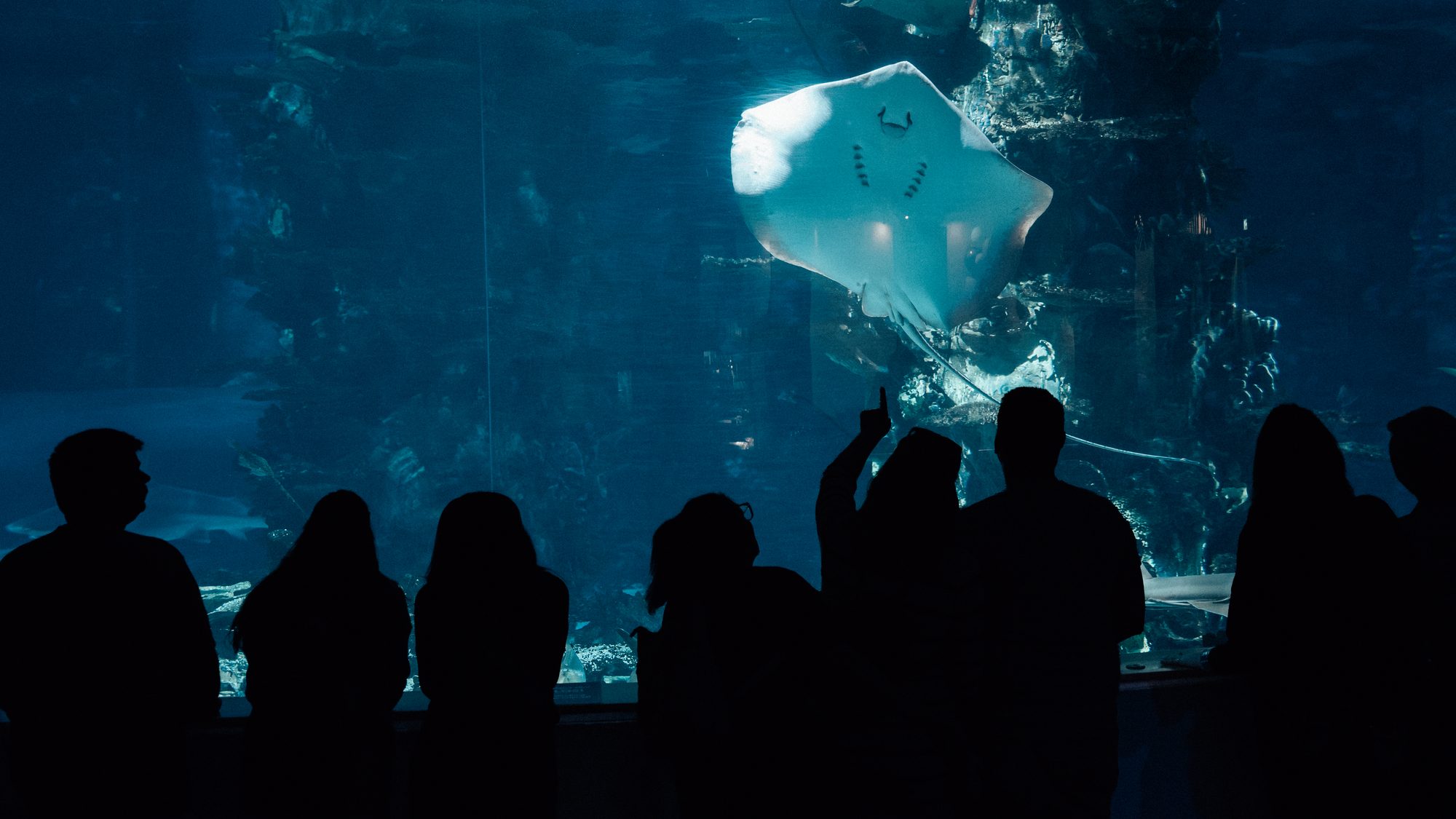
- 02Sharks up closeIn the shark tunnel and in front of the ocean aquarium, pupils can observe sharks and other marine animals directly.
- 03Linked to the curriculumThe sessions connect to school nature studies and biology, and the sessions of the programme series build on one another.
- 04Career guidanceAnimal keeper, diver, vet, collection manager – pupils can get to know animal-related professions through personal stories.
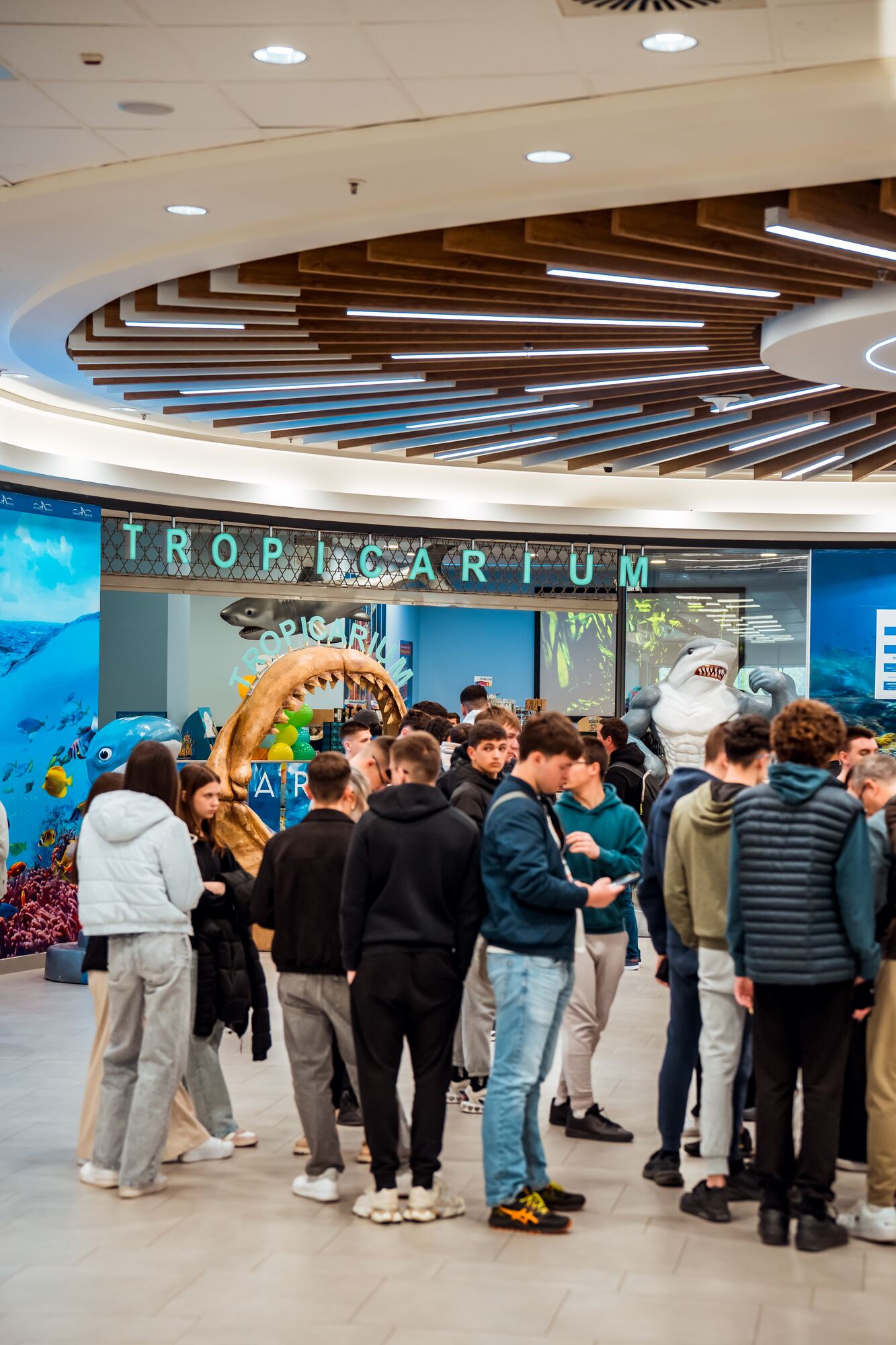
Ten topics, endless discoveries
Each session can also be booked on its own. Click a topic for details.
Shark Lesson
What does a shark eat, and when does it attack? Is there venom in a ray's sting? By busting myths, we learn how we can protect the wildlife of the seas and oceans.
What they will learn
- the main characteristics and diversity of sharks — more than 500 known species
- the sharks' special senses, including the role of the ampullae of Lorenzini
- sharks' teeth and how the revolving tooth replacement works
- egg-layers and live-bearers: how sharks reproduce
- sharks and humans: dangers, myths and conservation
Afraid of them?
Snake, frog, scorpion, spider… Why are we afraid of them in the first place? We get to know some animals that are not at all “cute”, so that we can see them from a new point of view.
What they will learn
- myths and reality about less-loved animals
- why they are useful: a single bat catches several hundred mosquitoes in one night
- special sense organs, feeding and defence strategies
- curiosity and respect instead of fear
Life in cold blood
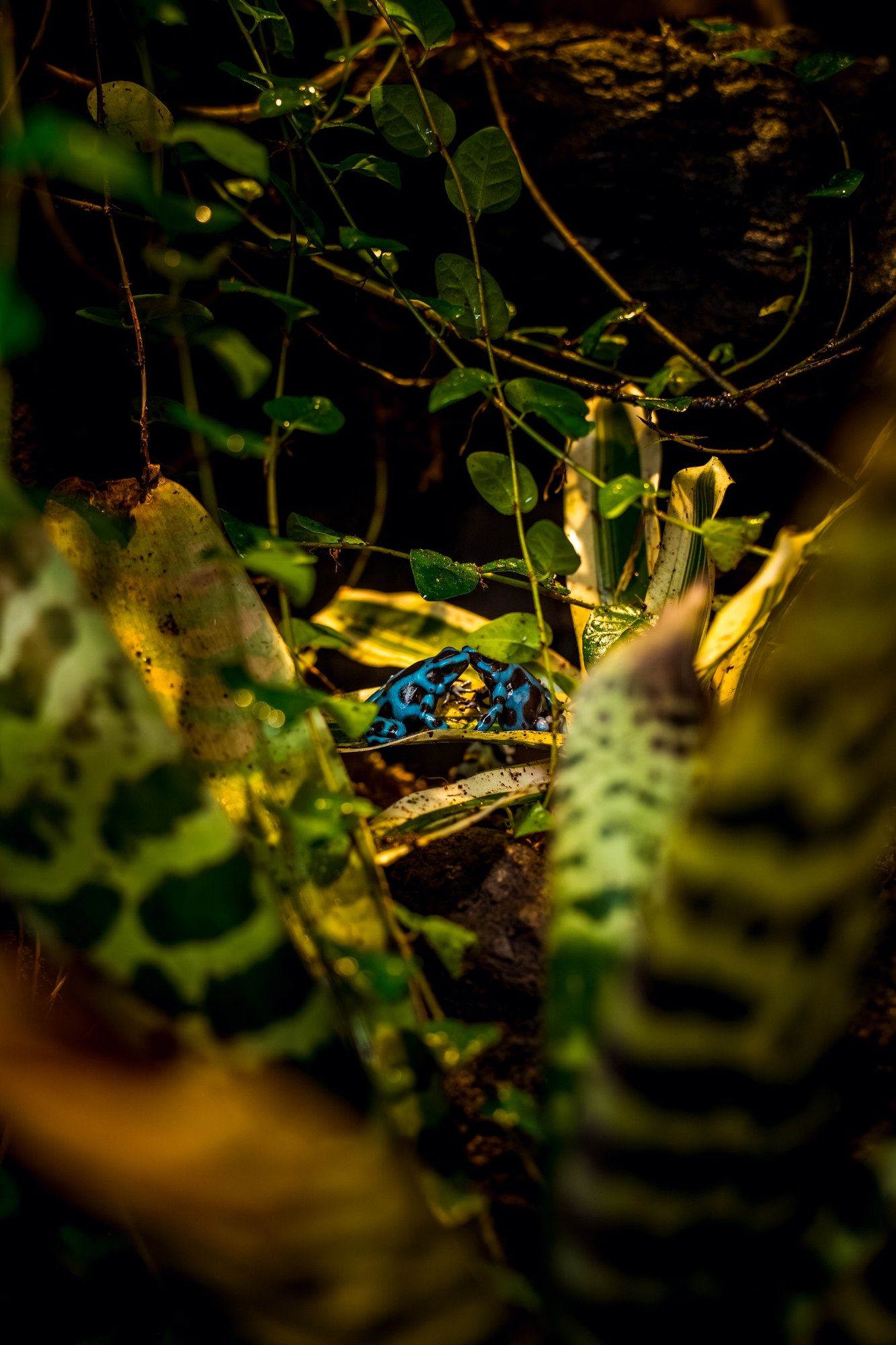
What is life like for reptiles and amphibians? We learn about their similarities and differences, and discover what role they play in the natural world.
What they will learn
- the three main groups of amphibians and the main groups of reptiles
- what “cold-bloodedness” means
- protecting native species and their habitats
- the role of reptiles and amphibians in the ecosystem
Responsible pet keeping
How do we choose and care for a pet? We learn the basics of suitable housing and feeding, and also get a glimpse into the world of aquarium keeping.
What they will learn
- pet, farm animal, companion animal: what is the difference?
- guinea pig, rabbit, finches, parrots, chameleon, leopard gecko, axolotl — what they need
- the most common keeping mistakes
- the most important elements of a well-equipped aquarium
What do zoos do for nature conservation?
Habitat protection, education, research and species conservation: this is how zoos safeguard the treasures of nature.
What they will learn
- the development of zoos from the beginning to the present day
- breeding programmes and successful European species rescues
- illegal wildlife trade and the fate of confiscated animals
- what makes a conservation-minded zoo modern
Career guidance
Animal keeper, diver, vet, collection manager… What might their work be like? We get to know these professions through personal stories.
What they will learn
- how a zoo works behind the scenes
- the qualifications and skills needed for each job
- the joys and difficulties of working in a zoo
- which careers someone interested in working with animals can choose from
Backstage tour
What goes on behind the scenes at Tropicarium? On a small-group walk we discover how it operates and the behind-the-scenes work done for the animals' wellbeing.
What they will learn
- the areas of Tropicarium closed to visitors
- the behind-the-scenes processes of the animals' daily care
- the technical and keeper work needed to run Tropicarium
Who’s who?
Mammals, birds, reptiles, amphibians – what connects them and what sets them apart? Through the residents of Tropicarium and vivid examples, we introduce the main groups of the animal kingdom.
Everyday nature conservation
Danube–Ipoly National Park guest lecture · at Tropicarium
How can we protect nature every day? At the Danube–Ipoly National Park guest lecture we learn about the possibilities of a nature-conscious way of life.
What they will learn
- the difference between environmental protection and nature conservation
- how national parks work
- the most important rules of nature-friendly hiking
- what we can do to protect nature in everyday life
Introduction to fishkeeping
Discover the secrets of the underwater world and learn the basics of successful aquarium keeping from our expert! The talk gives you practical tips on creating a healthy and attractive home for fish and other aquatic creatures.
Experience packages
A single session or the whole programme series? Prices are per person, for one session.
The package discount also applies if a different group or class attends each session. The fee includes the session, the group admission ticket and VAT.
Extras
Good to know
- Duration and timeSessions last about 45 minutes and can be booked on weekdays between 10:00 and 15:00, at a time agreed in advance.
- Who we recommend it forWe recommend it primarily for groups in grades 2–8. Because of the career-guidance elements, the 10-session programme series is an especially good choice for pupils in grades 7–8. On request, we also welcome secondary school groups.
- CompanionsThree accompanying adults per group attend free of charge.
- BookingYour booking becomes valid with the confirmation sent by e-mail.
- PaymentThe session fee is payable on the day of the visit, at the Tropicarium ticket office.
- Getting hereBy train it is 16 minutes from Déli railway station and 8 minutes from Kelenföld; by car it is about 2 minutes from the M0/M6 junction. Parking is free for cars and coaches alike.
Request a quote
Tell us which programme interests you, how many sessions you are planning, and whether you would like coach transport or meals. Based on this, our colleague will get in touch with you. Requesting a quote carries no obligation.
Or write directly: [email protected] · 1222 Budapest, Nagytétényi út 37–43. (Campona, free parking for coaches too)
Frequently asked questions
How large a group can come to a school programme?
We welcome groups of 15–30 people, for pupils in grades 2–8. Three accompanying adults per group attend free of charge.
What does the price of a session include?
The session, the group admission ticket and VAT. One session is HUF 4,650 per person; in a package, from HUF 3,720 per person per session for schoolchildren and from HUF 3,950 for kindergarten children; the discount applies even if a different group attends each session. The fee is paid on arrival, at the ticket office.
Can coach transport and meals be arranged?
Yes. The coach costs HUF 4,500 per person within Budapest and from the south Buda and south Pest agglomeration (HUF 2,500 per person for more than 50 people); lunch and a snack can also be requested.
Is there free parking?
Yes. Campona has a free car park with 1,800 spaces, for cars and coaches alike.
You will find answers to further questions on the FAQ page.